PCOS and Weight Management: A Complete Guide to Healthy Living
Understanding PCOS
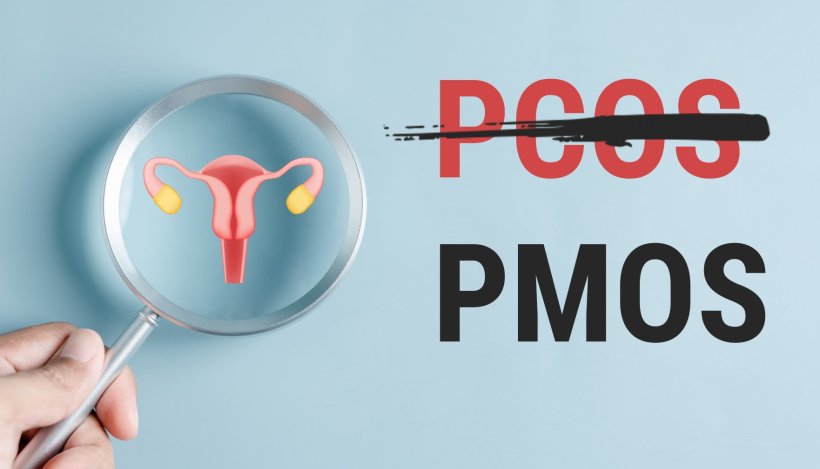
Polycystic Ovary Syndrome (PCOS) is one of the most common hormonal disorders affecting women of reproductive age. It occurs when the ovaries produce higher-than-normal levels of androgens (male hormones), leading to hormonal imbalances that can affect menstrual cycles, fertility, metabolism, and overall health.
Many women with PCOS experience symptoms such as irregular periods, weight gain, acne, excessive facial or body hair, hair thinning, and difficulty conceiving. While PCOS is a lifelong condition, it can be effectively managed through the right combination of nutrition, exercise, and medical care.
Common Symptoms of PCOS
- Irregular or missed menstrual periods
- Unexplained weight gain or difficulty losing weight
- Acne and oily skin
- Excess facial or body hair (hirsutism)
- Hair thinning or hair loss
- Dark patches of skin (Acanthosis Nigricans)
- Difficulty getting pregnant
- Fatigue and mood changes
Not every woman experiences the same symptoms, and their severity can vary.
Why Weight Management Matters in PCOS
Around 50–80% of women with PCOS struggle with insulin resistance, which causes the body to produce more insulin than normal. High insulin levels can increase fat storage, make weight loss more difficult, and worsen hormonal imbalances.
Even a modest weight loss of 5–10% of body weight can help:
- Improve insulin sensitivity
- Regulate menstrual cycles
- Reduce testosterone levels
- Improve fertility
- Lower the risk of Type 2 diabetes
- Improve cholesterol and heart health
- Boost energy and confidence
Best Diet for PCOS
There is no single "PCOS diet," but eating nutrient-rich, balanced meals can significantly improve symptoms.
Focus On
- High-fiber vegetables
- Fresh fruits in moderation
- Whole grains like oats, quinoa, and brown rice
- Lean protein such as eggs, fish, chicken, tofu, and lentils
- Healthy fats from nuts, seeds, avocado, and olive oil
- Plenty of water throughout the day
Limit
- Sugary drinks and desserts
- Refined flour products
- Processed snacks
- Deep-fried foods
- Excessive fast food
- Highly processed meats
Eating regular meals with a balance of protein, healthy fats, and fiber can help maintain stable blood sugar levels and reduce cravings.
Exercise Recommendations
Physical activity plays a major role in managing PCOS.
Aim for at least 150 minutes of moderate exercise per week, including:
- Brisk walking
- Cycling
- Swimming
- Strength training
- Yoga
- Pilates
Building muscle helps improve insulin sensitivity and supports long-term weight management.
Lifestyle Changes That Make a Difference
Small, consistent habits often have the greatest impact.
- Sleep for 7–9 hours each night.
- Manage stress through meditation, yoga, or deep breathing.
- Stay hydrated.
- Avoid smoking.
- Limit alcohol consumption.
- Track your progress rather than focusing only on the number on the scale.
Can PCOS Be Cured?
Currently, there is no permanent cure for PCOS. However, symptoms can be effectively managed through healthy lifestyle changes, medical treatment when necessary, and regular follow-ups with healthcare professionals.
Early diagnosis and proper management can reduce the risk of long-term complications such as diabetes, high blood pressure, heart disease, and infertility.
When Should You See a Doctor?
Consult a healthcare professional if you experience:
- Irregular or absent periods
- Rapid or unexplained weight gain
- Difficulty conceiving
- Excessive hair growth or severe acne
- Persistent fatigue
- Symptoms of high blood sugar
A healthcare provider may recommend blood tests, an ultrasound, and personalized treatment based on your individual needs.
Final Thoughts
Living with PCOS can be challenging, but it does not have to control your life. A personalized nutrition plan, regular exercise, healthy sleep habits, and ongoing professional support can significantly improve your symptoms and overall well-being.
Every woman's journey with PCOS is unique. The key is to focus on sustainable lifestyle changes rather than quick fixes. With the right guidance and consistency, you can achieve a healthy weight, improve hormonal balance, and enjoy a better quality of life.
Disclaimer: This article is intended for educational purposes only and should not replace professional medical advice. Always consult a qualified healthcare provider before making significant changes to your diet, exercise routine, or medication.
No comments yet. Start the conversation!